
 US Dollars
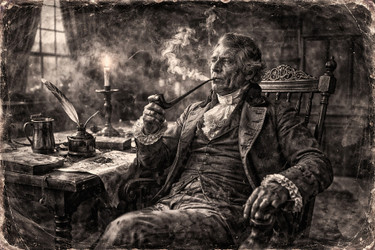
Tobacco pipes occupy a unique place in material culture. They are at once utilitarian objects, ritual instruments, status pieces, and examples of skilled craft. Long before the modern pipe market developed in Europe and America, tobacco was already being smoked through pipes in the Americas, where the practice carried ceremonial, diplomatic, and social meaning. Over time, the tobacco pipe evolved from carved and hand-formed indigenous objects into clay trade pipes, then into luxury meerschaum pieces, and finally into the briar and specialty wood pipes that dominate the modern market.
The First Known Tobacco Pipes
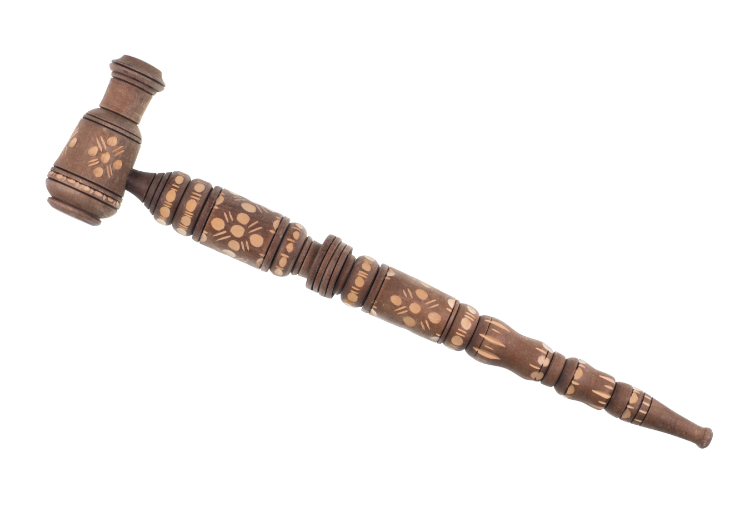
The history of the tobacco pipe begins in the Americas, not Europe. Tobacco smoking through a pipe is widely understood to be indigenous to the Americas, with early use tied to religious ceremonies in ancient Mexico and to sacred ceremonial traditions among Native peoples farther north. In many indigenous cultures, the pipe was never just a smoking device. It could represent prayer, covenant, status, or communication with the spiritual world. That distinction matters, because it explains why the earliest tobacco pipes were often carefully made, symbolically decorated, and culturally important.
When Europeans encountered tobacco in the New World, they did not simply discover a plant. They encountered an established smoking culture with its own tools, meanings, and customs. From that point forward, the pipe became one of the main technologies through which tobacco spread across the Atlantic world.
From New World Ritual to Global Habit
Pipe smoking reached Europe through sailors and explorers who had seen tobacco use in the Americas. By the late 16th and early 17th centuries, tobacco smoking had entered English court and urban life, even as critics attacked it as strange, unhealthy, or morally suspect. What began as an imported novelty quickly became a commercial habit.
As tobacco use grew, pipe production followed. In Europe and colonial America, clay became the dominant pipe material for mass use. Clay pipes were inexpensive, easy to standardize, and simple to distribute at scale. In colonial Virginia and other tobacco-producing regions, pipes were everyday objects. Archaeological sites from the 17th and 18th centuries are full of clay pipe fragments, a sign of just how common and disposable they had become. By this stage, the pipe had already shifted from sacred object to consumer good, though it still retained strong social meaning.
“By the early seventeenth century clay pipes had become commonplace. Pipes were inexpensive and relatively durable, which explains their discovery in many archaeological contexts.” — Arianna DiMucci, Conservator

The Great Material Shifts: Clay, Meerschaum, and Briar
The next major phase in pipe history was driven by material innovation.
Clay defined the early commercial era, but it had obvious limitations. It was fragile, could smoke hot, and offered little prestige. That opened the door to more refined materials, especially meerschaum and later briar.
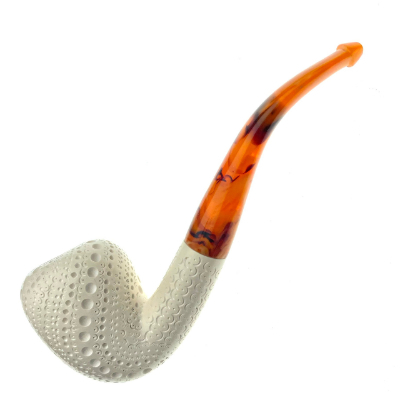
Meerschaum tobacco pipes represent one of the most important milestones in the history of pipe making. Meerschaum, the mineral form of sepiolite, became prized because it is light, porous, carveable, and capable of delivering a cool, dry smoke. The most important historic source of pipe-grade meerschaum has been the Eskişehir region of Turkey, which is why Turkish meerschaum occupies such a central place in premium pipe culture. By around 1800, meerschaum had become a prestigious pipe material in Europe, especially for smokers who wanted both performance and ornament. Its ability to absorb moisture and gradually color with use gave it a living quality that collectors still value today.
If meerschaum elevated the pipe, briar modernized it.
Briar wood tobacco pipes became the defining material of the modern pipe era in the mid-19th century. Briar comes from the root burl of Erica arborea, the tree heath of the Mediterranean region. Its advantages are practical and substantial: it is dense, heat resistant, durable, and relatively neutral in flavor once properly broken in. Just as important, briar could be shaped efficiently without sacrificing craftsmanship. That combination made it the perfect bridge between industrial production and artisan pipe making. From classic billiards and apples to Dublins, bulldogs, and pokers, the modern shape chart is overwhelmingly a briar story.
| Material | Key Strengths | Typical Drawbacks |
|---|---|---|
| Clay | Inexpensive, clean flavor, easy to mass-produce | Fragile, can smoke hot, low status |
| Meerschaum | Cool, dry smoke; highly carveable; develops patina | More expensive; requires careful handling |
| Briar | Durable, heat resistant, versatile shapes and finishes | Quality varies by block and curing; needs break-in |
Tobacco Pipes in America
In America, the tobacco pipe developed along two tracks at once. One was utilitarian and everyday, especially during the colonial period, when clay pipes were common. The other was collector-driven and craft-oriented, especially as imported meerschaum and briar became more available.
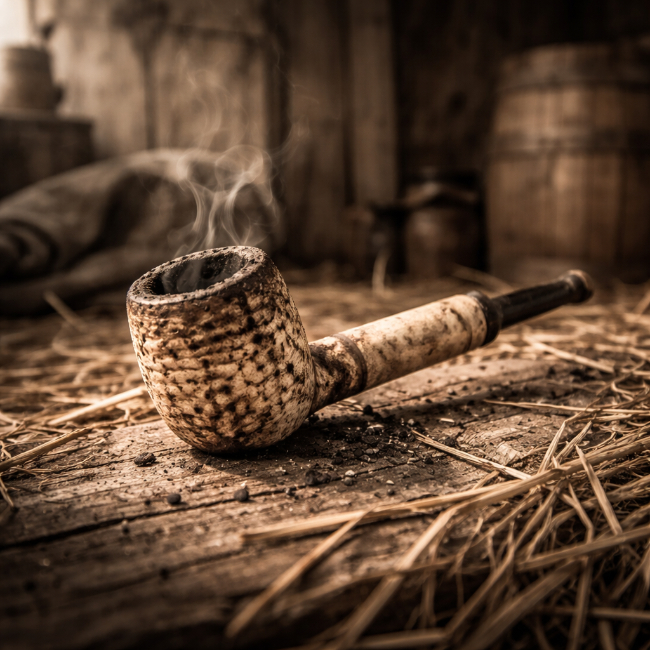
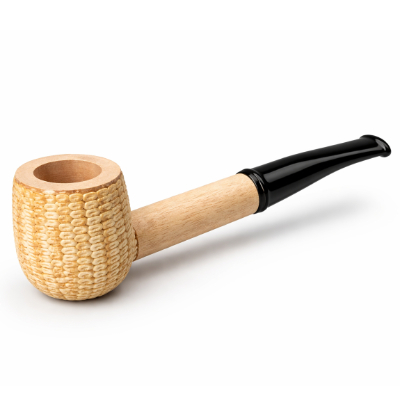
The American market also produced one of its own iconic forms: the corncob pipe. Cheap, effective, and distinctly American, corncob pipes expanded pipe smoking beyond luxury and into mass familiarity. But in the premium market, serious smokers and collectors increasingly gravitated toward the same materials that had already proven themselves elsewhere: meerschaum for dryness, carving, and beauty; briar for durability, daily use, and shape variety.
That broader American appreciation for material quality helps explain why specialty importers remain so important. Turkish meerschaum, in particular, never became just another pipe material. It remained a category with its own history, carving traditions, and loyal following.
The Top Types of Tobacco Pipes Today
Today’s pipe market is shaped primarily by material, then by shape and finish. The leading categories are clear.
1. Briar
Briar remains the standard bearer for modern tobacco pipes. It offers the best overall balance of heat resistance, longevity, workability, and shape diversity. For many smokers, briar is the daily-driver material because it performs consistently and exists at every price point, from entry-level pieces to high-grade artisan work.
2. Meerschaum
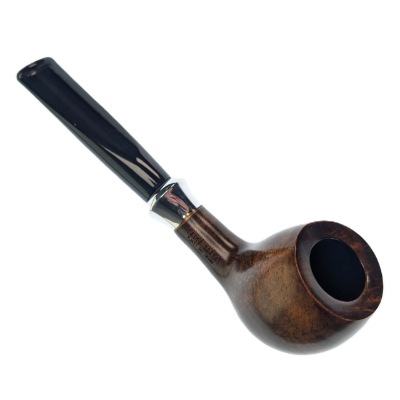
Meerschaum remains the premium mineral classic. It is especially valued by smokers who want a dry smoke and by collectors who appreciate hand carving and natural coloration over time. Turkish meerschaum still carries unmatched historical legitimacy in this category, which is why dedicated selections of meerschaum tobacco pipes continue to matter.
3. Corncob
Corncob pipes still hold an important place in the American pipe tradition. They are affordable, practical, and unpretentious. While they occupy a different niche than meerschaum or briar, they remain one of the most enduring pipe types in the United States.
4. Cherrywood
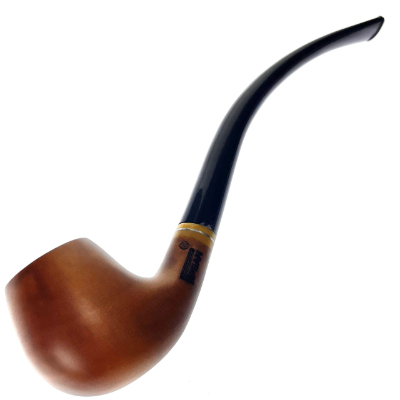
Cherrywood pipes occupy an appealing middle ground between tradition and individuality. They offer a warmer, more organic visual character than factory-standard briar and often appeal to smokers who want something distinctive without leaving wood pipes behind.
5. Olive Wood
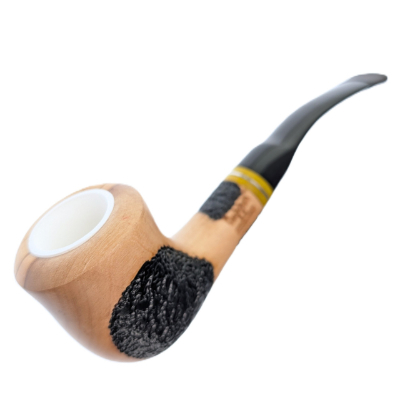
Olive wood pipes are increasingly appreciated for their dramatic grain and Mediterranean character. Many modern examples pair olive wood with meerschaum linings, combining visual richness with practical smoking performance.
6. Rosewood
Rosewood pipes are less dominant than briar in the mainstream pipe world, but they remain relevant as specialty wooden pipes with a decorative, polished identity. For buyers who value variety in grain, tone, and presentation, rosewood adds another dimension to the category.
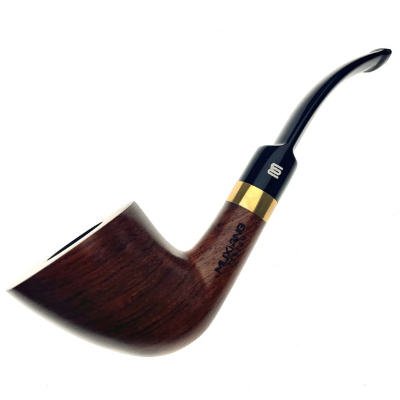
Modernization Without Losing Tradition
Modern tobacco pipes are more precise than their historical predecessors, but they are still rooted in old design logic. Better drilling, improved stems, acrylic and ebonite mouthpieces, filtered systems, and more consistent finishing have all improved functionality. Yet the fundamentals remain unchanged: the best pipes still depend on material quality, chamber geometry, airflow, balance, and the hand of the maker.
That is why the tobacco pipe has survived where other smoking formats have become more disposable. A good pipe is not just consumed; it is chosen, maintained, rotated, admired, and often collected.
So You Can Put All Of That In Your Knowledge Pipe, and Smoke It
The tobacco pipe began as an indigenous American form with ceremonial importance, became a European commercial product through clay manufacture, was elevated by Turkish meerschaum, and was fully modernized by briar. Along the way, it absorbed regional styles, class signals, artistic carving traditions, and industrial improvements. Today, the strongest pipe categories still reflect that long history: briar for versatility, meerschaum for heritage and cool smoking, and specialty woods such as cherrywood, olive wood, and rosewood for variation in character and finish.
For anyone studying tobacco pipes seriously, history and material cannot be separated. The story of the pipe is ultimately the story of how culture, craftsmanship, and smoking performance came together in a single object—and why that object still matters.