
 US Dollars

Wood pipes sit at the center of tobacco pipe history because they combine utility, comfort, and craftsmanship in one durable object. Long before the modern briar pipe became the standard, smokers used whatever local materials could be carved, bored, and made heat-tolerant enough for repeated use. Early pipes were made from clay, stone, bone, reed, and wood, depending on region and available tools.
The challenge has always been the same: a pipe must survive heat, manage moisture, feel balanced in the hand, and deliver a clean draw without overpowering the tobacco. Not every wood can do that well. Soft, resinous, or poorly cured woods can burn too hot, crack, sour quickly, or add an unpleasant flavor. Modern pipe making is about choosing the right woods, curing them correctly, and then of course sculpting it into the finished pipe.
From Early Wooden Pipes to Modern Standards
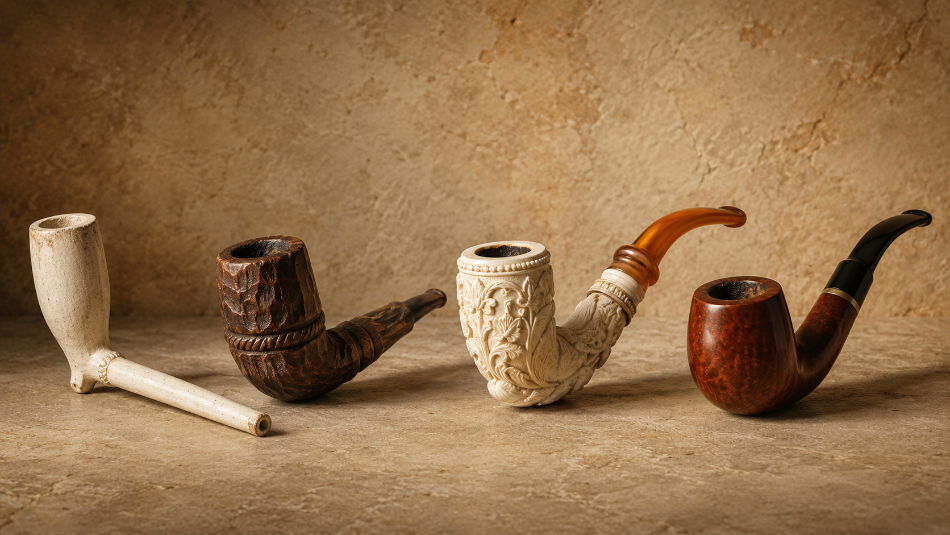
The earliest wooden pipes were functional smoking tools made from available hardwoods, reeds, and carved branches. As pipe culture developed, clay pipes became common in Europe because they were inexpensive and easy to produce. Meerschaum later became prized for carving and smoking quality, while briar eventually changed the market by giving pipe makers a wood that could handle heat, absorb moisture, and take a beautiful finish.
By the nineteenth century, briar had become the dominant wood for serious tobacco pipes. Its arrival did not eliminate other pipe woods, but it did create the benchmark against which most wooden pipes are still compared. Today, collectors and retailers still value briar for daily use, while olivewood, cherrywood, and rosewood remain appealing for their grain, color, and distinct feel.
Briar Pipes
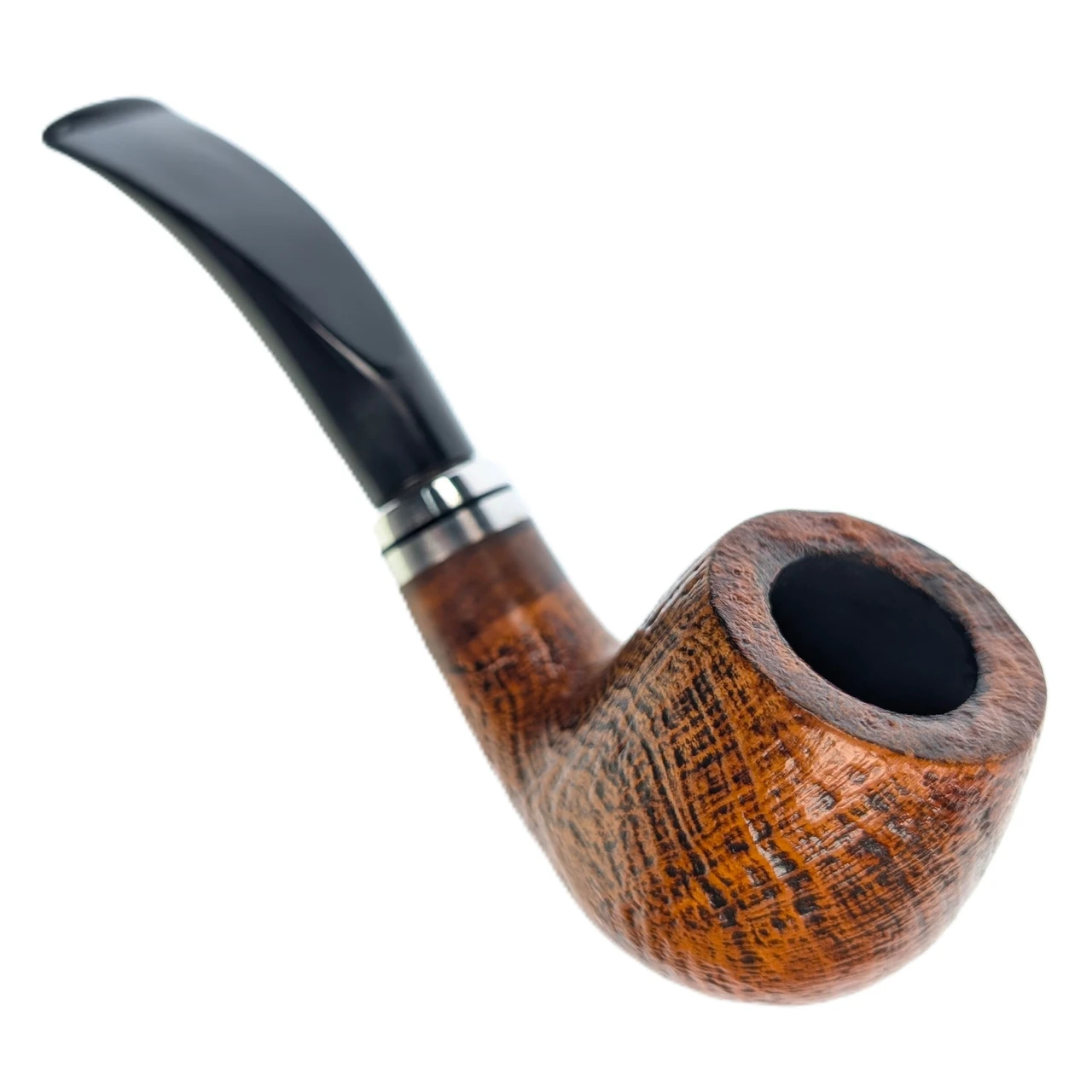
Briar is the classic modern pipe wood for good reason. It comes from the root burl of Erica arborea, a Mediterranean heath tree whose dense burl structure gives pipe makers a rare combination of heat resistance, durability, and attractive grain. A well-cured briar block can be shaped into nearly any traditional form, from billiards and apples to bulldogs, pokers, and freehands.
For retailers and wholesale buyers, briar wood tobacco pipes are often the safest core inventory because they appeal to both new and experienced smokers. A beginner may choose briar because it is familiar and dependable. A collector may choose it for a wide variety of different reasons. That broad appeal is why briar remains the center of the wood pipe category.
Rosewood Pipes
Rosewood pipes are valued mainly for density, color, and dramatic grain. The material can range from reddish brown to darker streaked tones, making it attractive for buyers who want something more visually distinctive than standard brown briar. Rosewood is a hardwood, but it must be properly selected and cured for pipe use because density alone does not make a good smoking pipe.
A good rosewood pipe is often chosen for style and feel. It can have a polished, furniture-grade appearance, especially when paired with a simple shape that lets the grain do the work. For a wholesale pipe selection, rosewood helps round out the category with strong shelf presence.

Olivewood Pipes
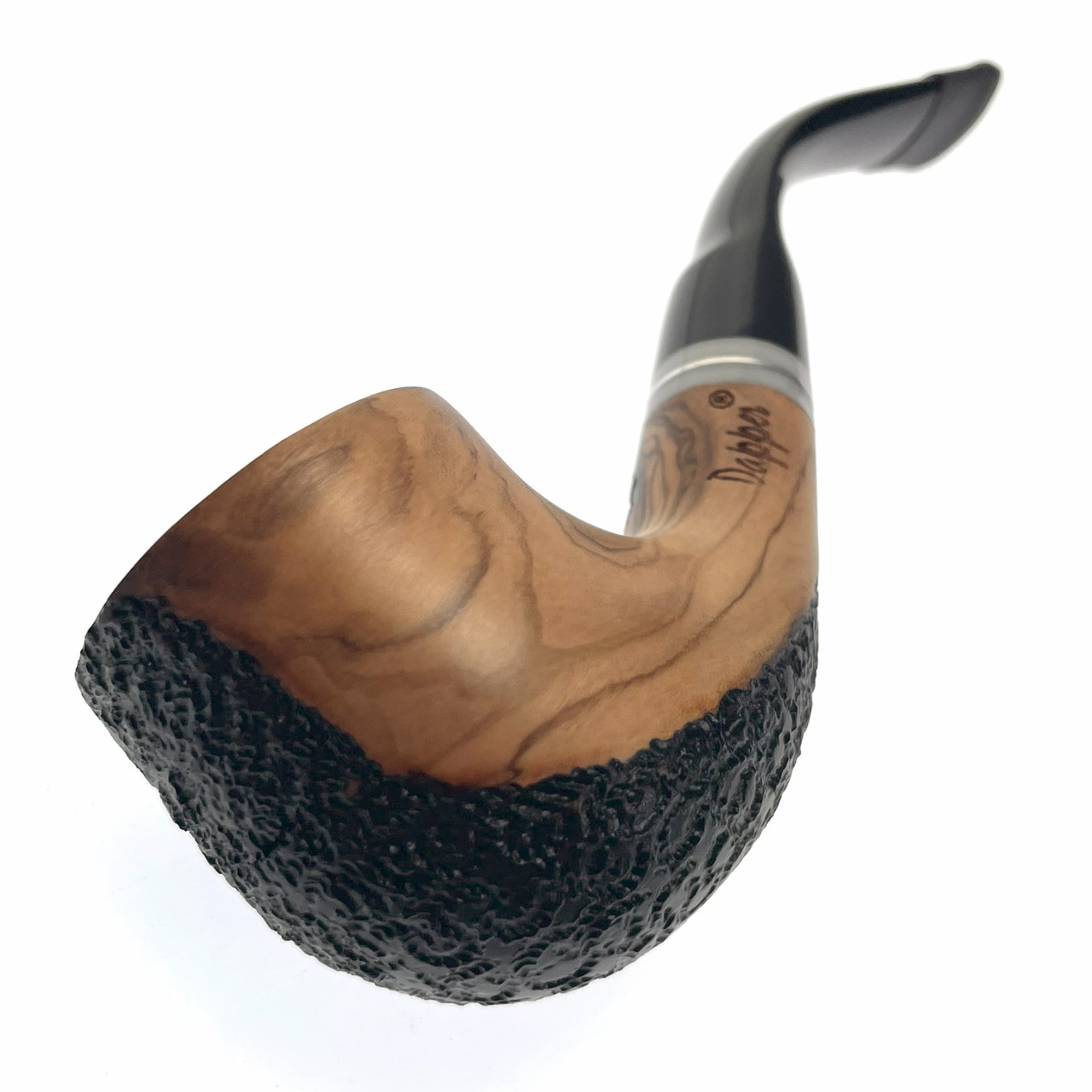
Olivewood has become popular because it looks immediately different. Its grain tends to be lighter, warmer, and more fluid than briar, often with swirling contrast that makes each pipe feel individual. Olivewood is dense enough for pipe making when properly cured, and many olivewood pipes are also made with meerschaum-lined bowls to combine the beauty of wood with the smoking properties of meerschaum.
That combination is useful in retail because it gives the buyer a clear story: natural Mediterranean-style wood on the outside, mineral lining inside the bowl, and a distinctive look that does not feel like another briar copy. Olivewood works especially well for customers who want lighter color and visible grain movement.
Cherrywood Pipes
Cherrywood has two meanings in pipe conversations. It can refer to pipes made from cherry wood, and it can also refer to the “cherrywood” pipe shape, a sitter-style design with a flat-bottomed bowl. As a material, cherrywood is appreciated for its warm color, approachable look, and traditional hardwood feel.
Cherrywood pipes are strongest when the finish stays simple. The material does not need heavy ornamentation to work; a clean shape and warm finish are usually enough.

Meerschaum Pipes
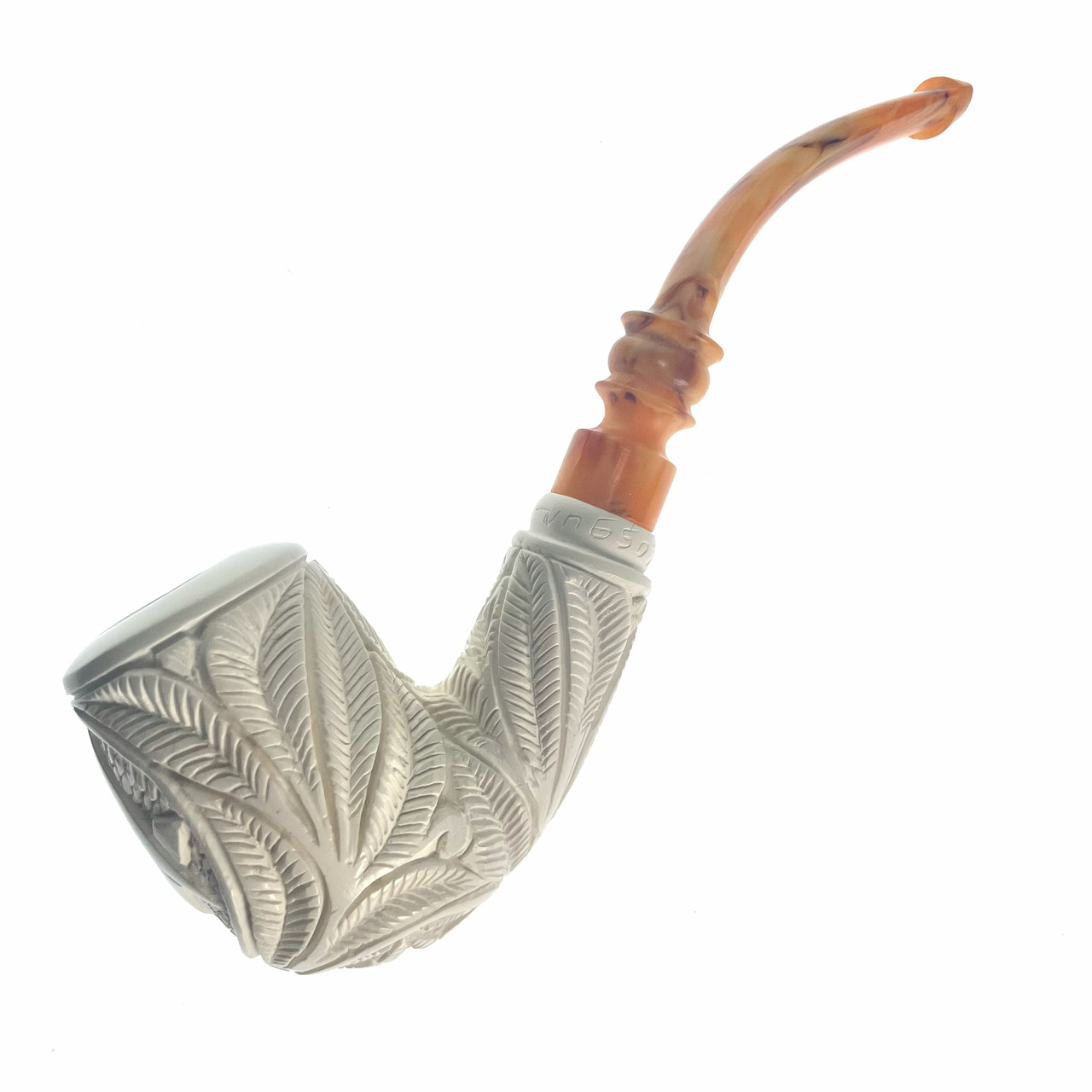
Meerschaum is not wood, but it belongs in any serious discussion of pipe materials because it has shaped pipe history alongside briar. This soft, porous mineral is known for its pale color, light weight, carving potential, and ability to develop a warm patina over time. Turkish meerschaum pipes are especially associated with detailed figural carving and traditional craftsmanship.
For smokers, the appeal is different from wood. A meerschaum tobacco pipe does not need the same cake-building approach as briar, and many smokers value meerschaum for a relatively neutral smoke. For shops, meerschaum also adds visual variety: smooth classics, carved portraits, animals, claws, lattice work, calabash styles, and display-worthy pieces.
Material Snapshot: Core Pipe Categories
The sections above highlight five of the most important pipe materials and wood types. The table below summarizes how they compare in store and in hand.
| Material | Type | Primary Appeal | Visual Traits | Common Use in Inventory |
|---|---|---|---|---|
| Briar | Wood (root burl) | Heat resistance, durability, classic performance | Medium to dark browns, straight and flame grain, plateau tops | Core daily pipes and most traditional shapes |
| Rosewood | Hardwood | Dramatic grain, deep color, “furniture-grade” look | Reddish-brown with darker streaks | Visual standout pieces and variety within wood racks |
| Olivewood | Hardwood | Distinctive Mediterranean look and lighter tone | Warm, light base color with swirling contrast | Alternative to briar, often with meerschaum-lined bowls |
| Cherrywood | Hardwood (and classic “sitter” shape) | Traditional feel, approachable appearance | Warm, soft reds and browns, simple finishes | Supplemental wood option and sitter-style shapes |
| Meerschaum | Mineral | Neutral smoke, light weight, carving potential | Cream to amber patina; smooth or highly carved | Showcase and collector pieces alongside wood pipes |
Choosing the Right Wood Pipe Inventory

The best wood pipe inventory is balanced. Briar should usually serve as the foundation because it is proven, recognizable, and broadly accepted. Meerschaum adds carved artistry and a different smoking tradition. Olivewood, rosewood, and cherrywood create variety in color, grain, price point, and presentation.
Wood pipes have lasted because they are practical objects with room for artistry. The material matters, but so does the curing, drilling, shaping, finishing, and final balance in the hand. A good wood pipe is not just a wooden bowl with a stem. It is a small piece of engineering, shaped by centuries of trial, refinement, and smoking tradition.